

Search Results for ‘’

Request a Quote
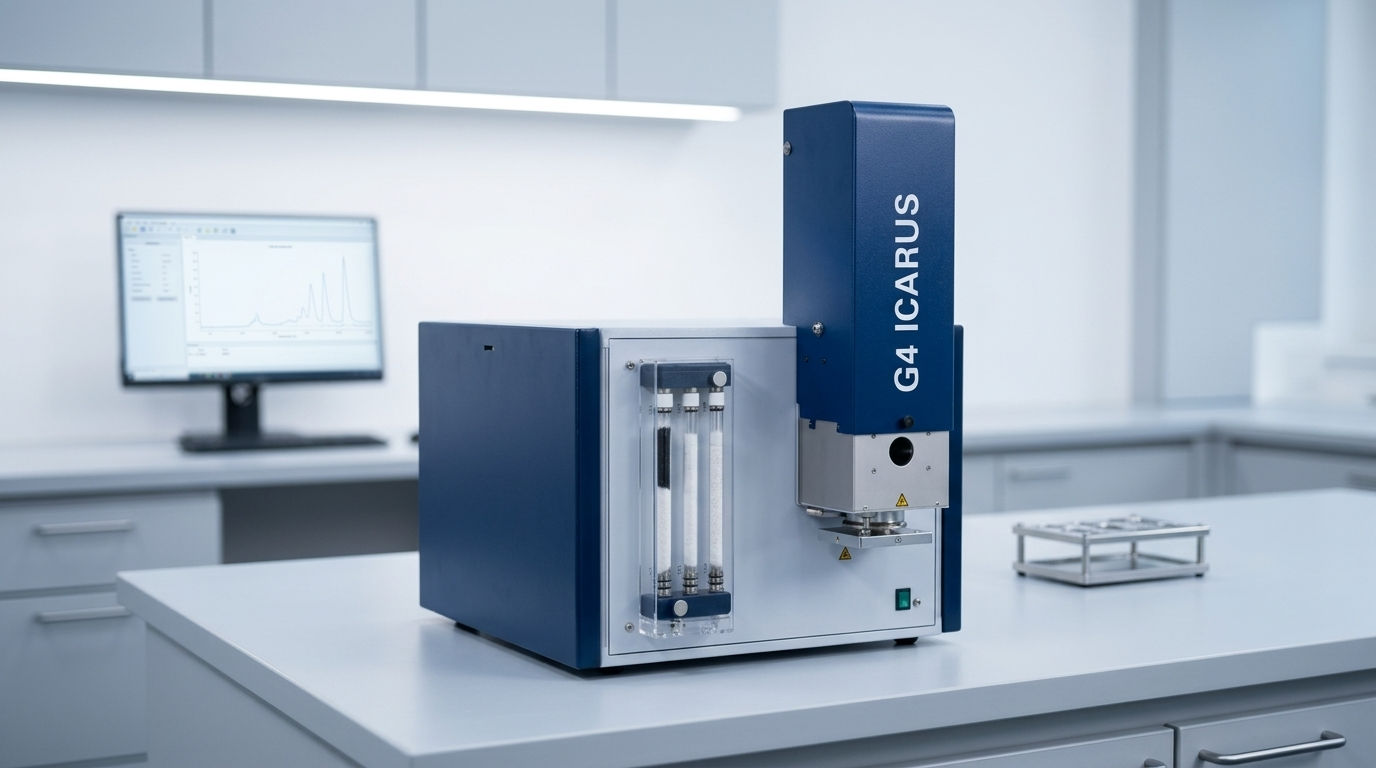
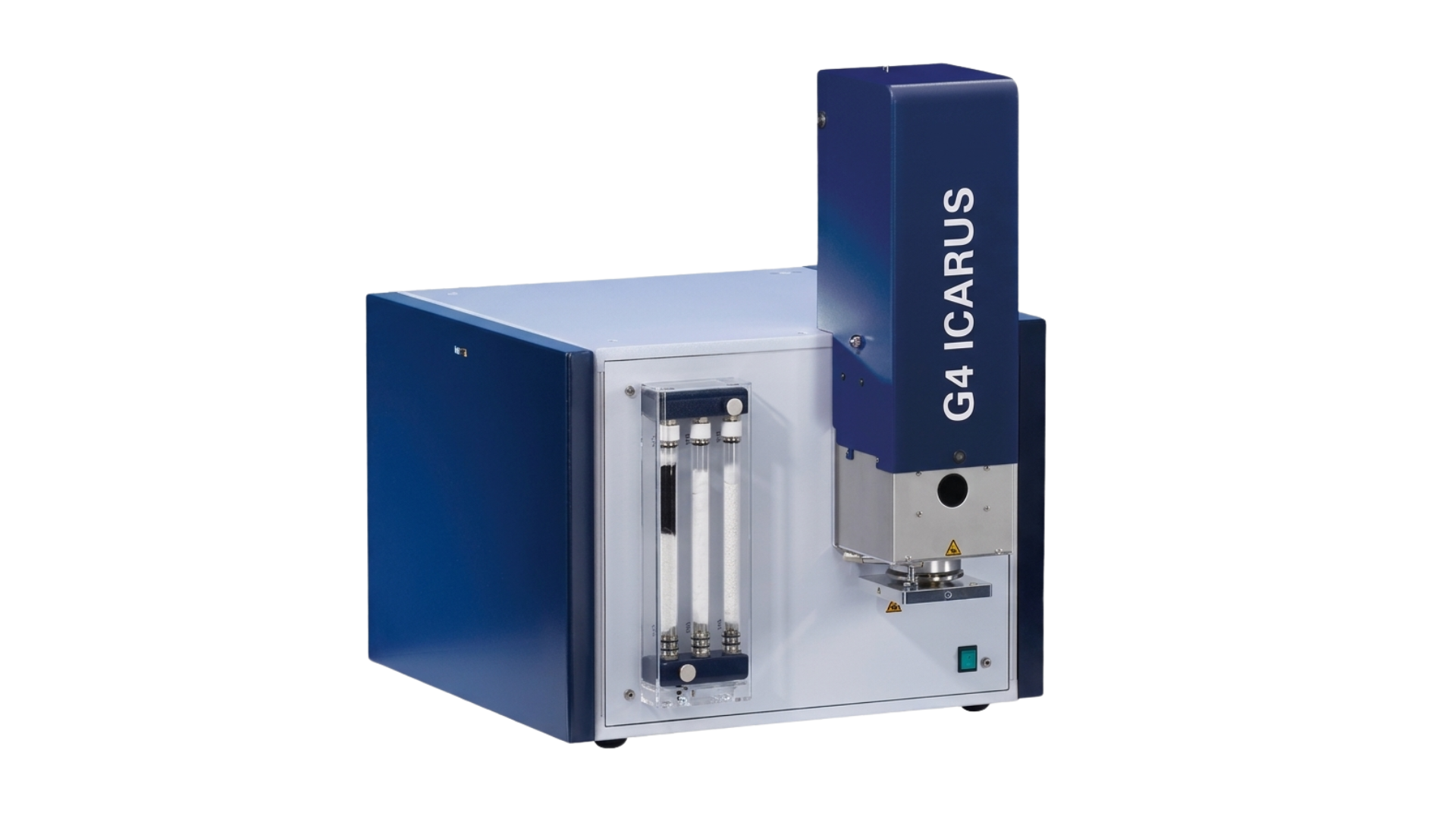
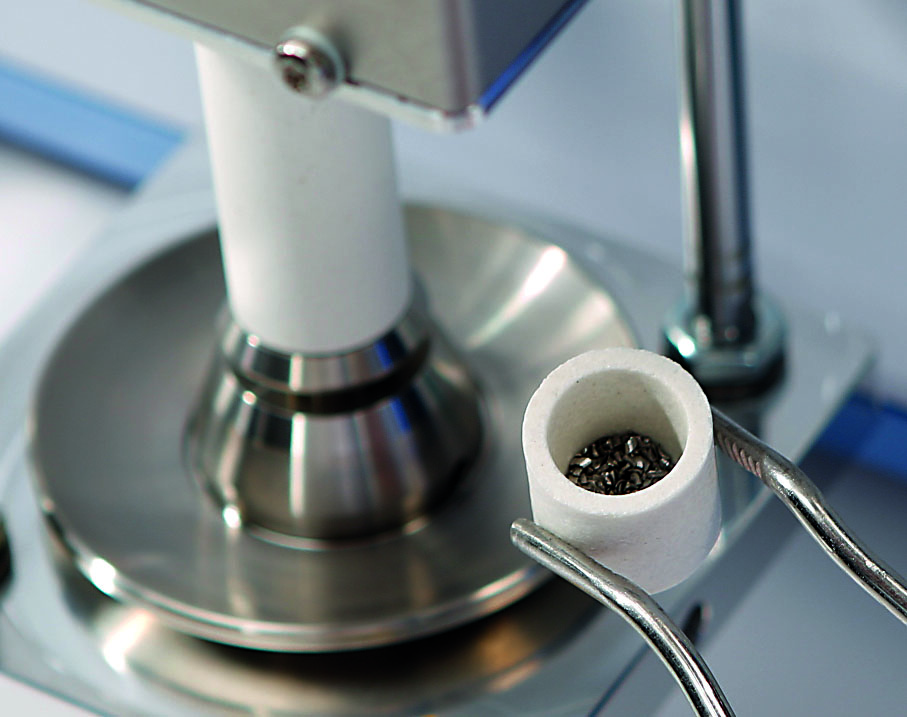
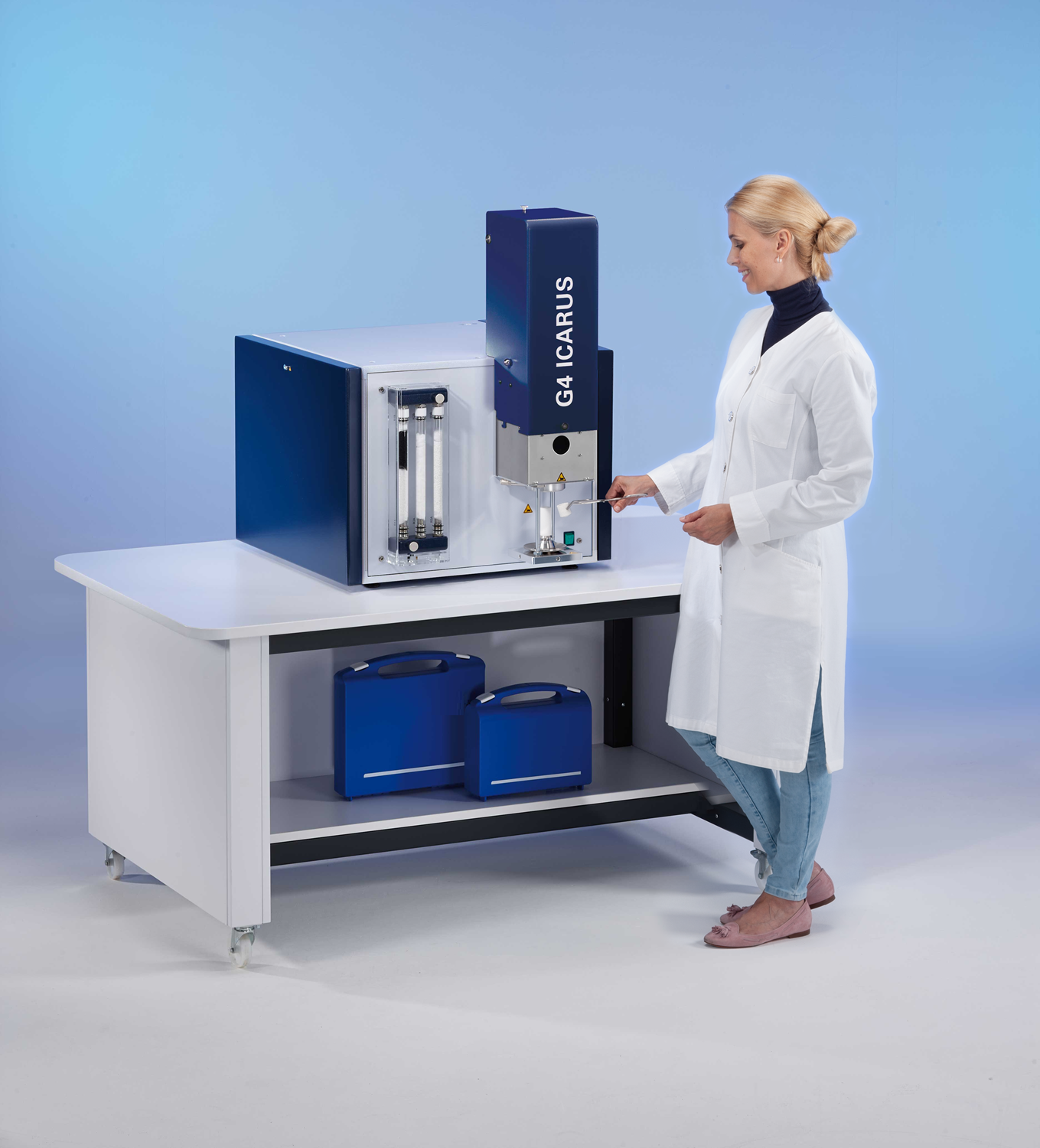
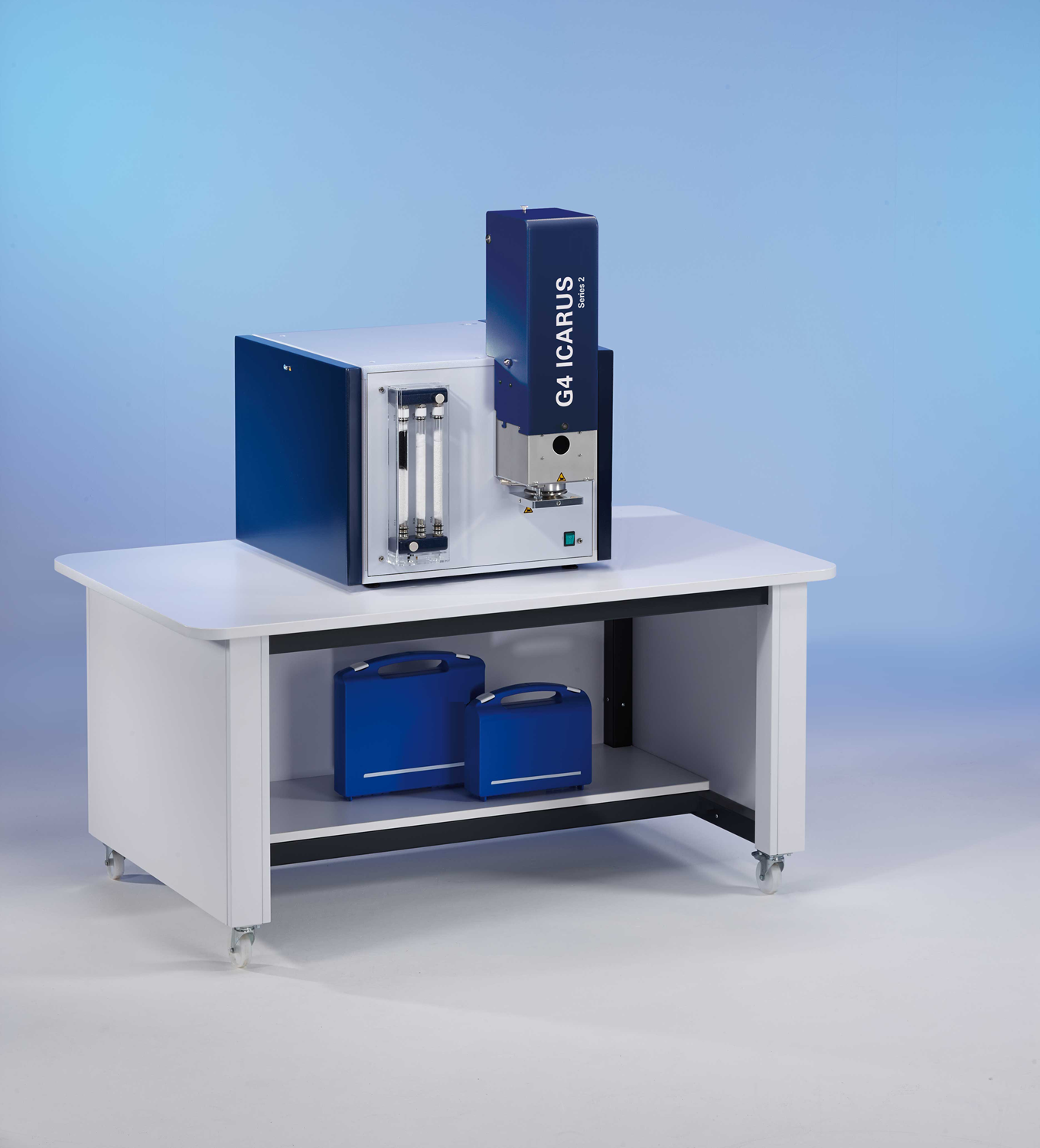
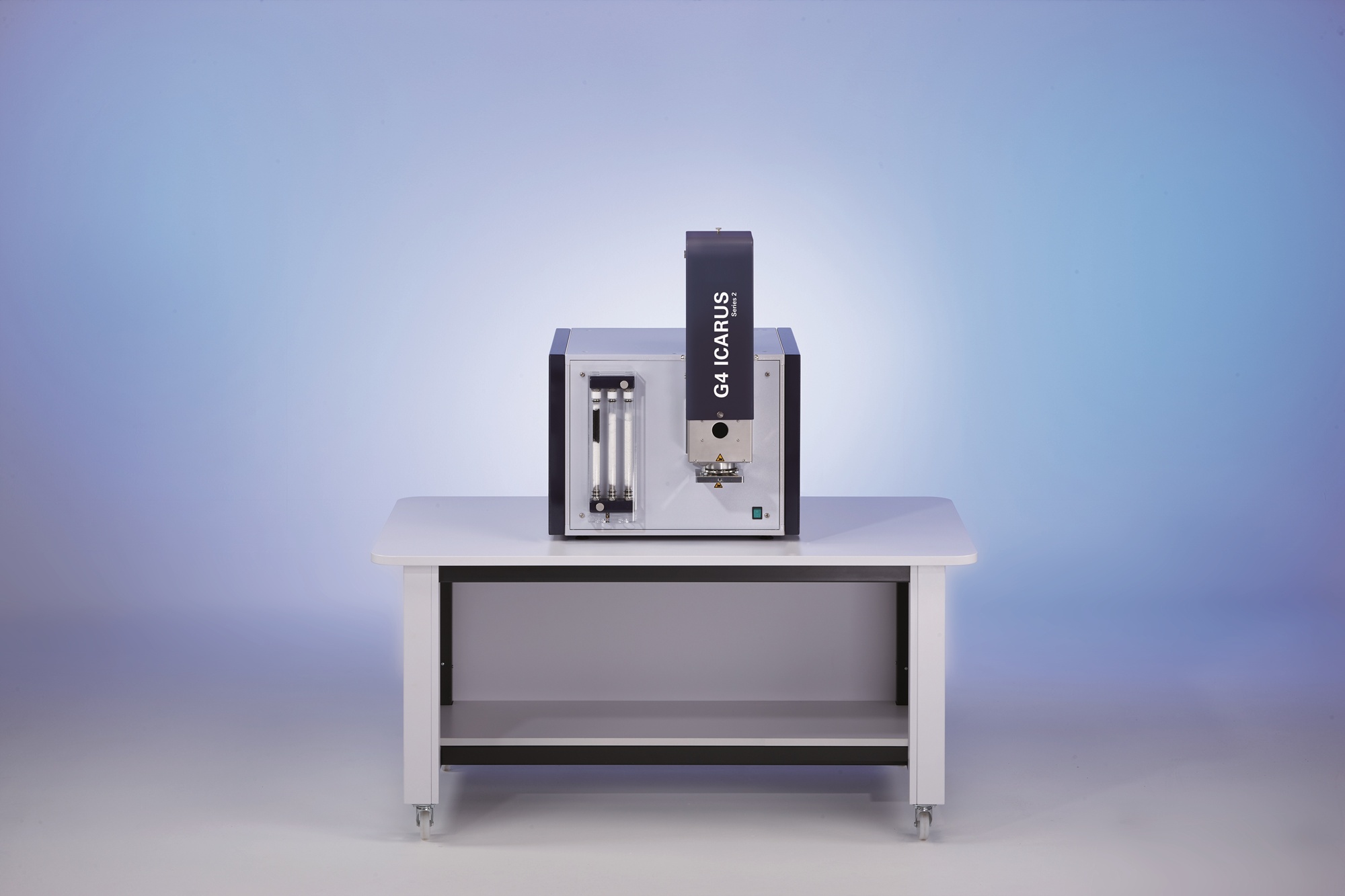
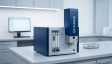
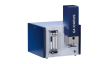


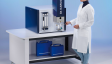
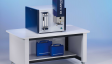
Carbon and sulfur by Combustion Redefined
Outstanding Performance with Industry-proven Usability
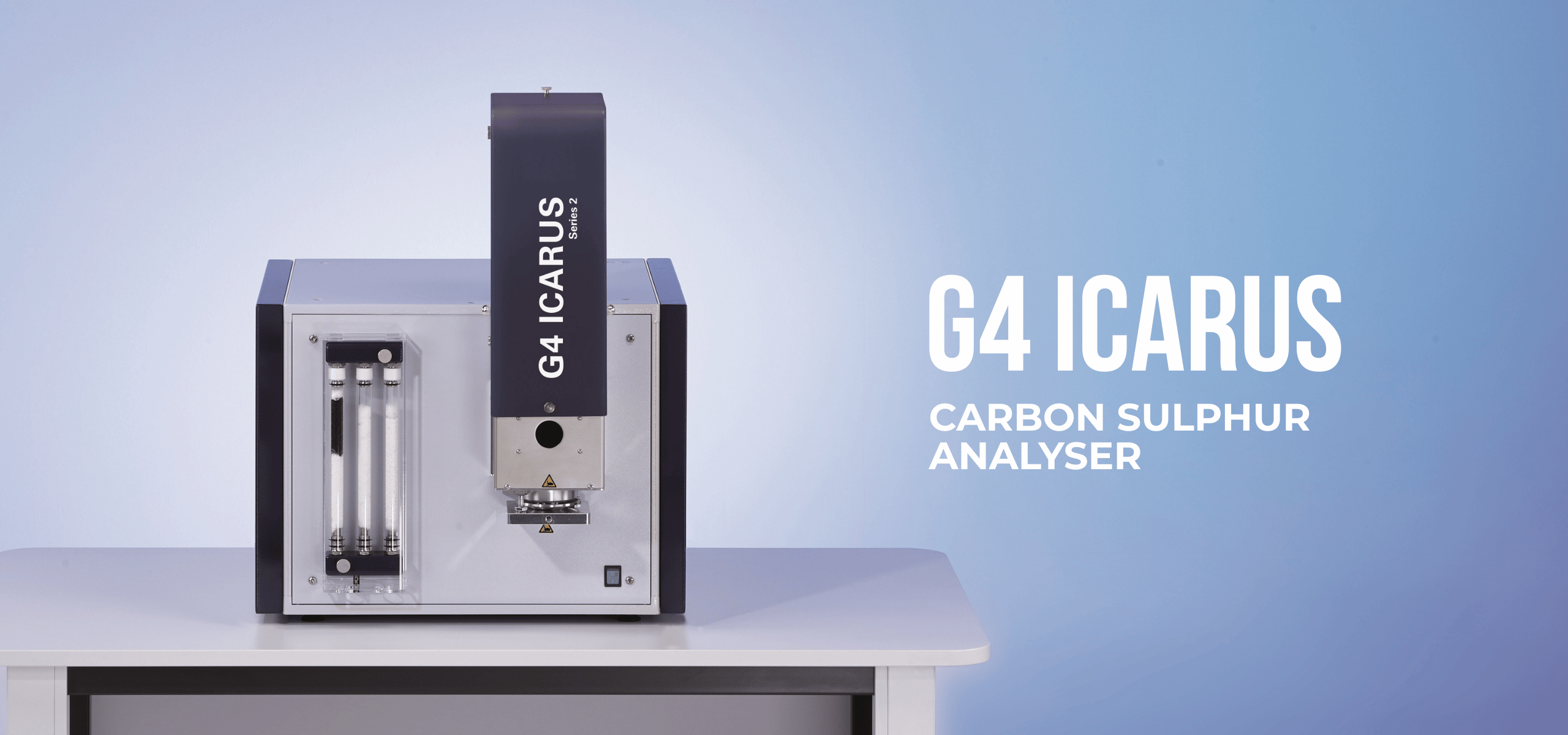
The combustion analyzer G4 ICARUS Series 2 with high frequency (HF) induction furnace and advanced detection sets new standards for a rapid and precise carbon (C) and sulfur (S) analysis in inorganic solids.
Due to their impact on the material properties, the need for fast and reliable CS analysis is not limited to iron and steel but also applies to ferrous and non-ferrous metals, their alloys, ceramics, ores, cement, limestone and numerous other inorganic solids.
Since April 2026 XRF Scientific is now the manufacturer of the G4 ICARUS
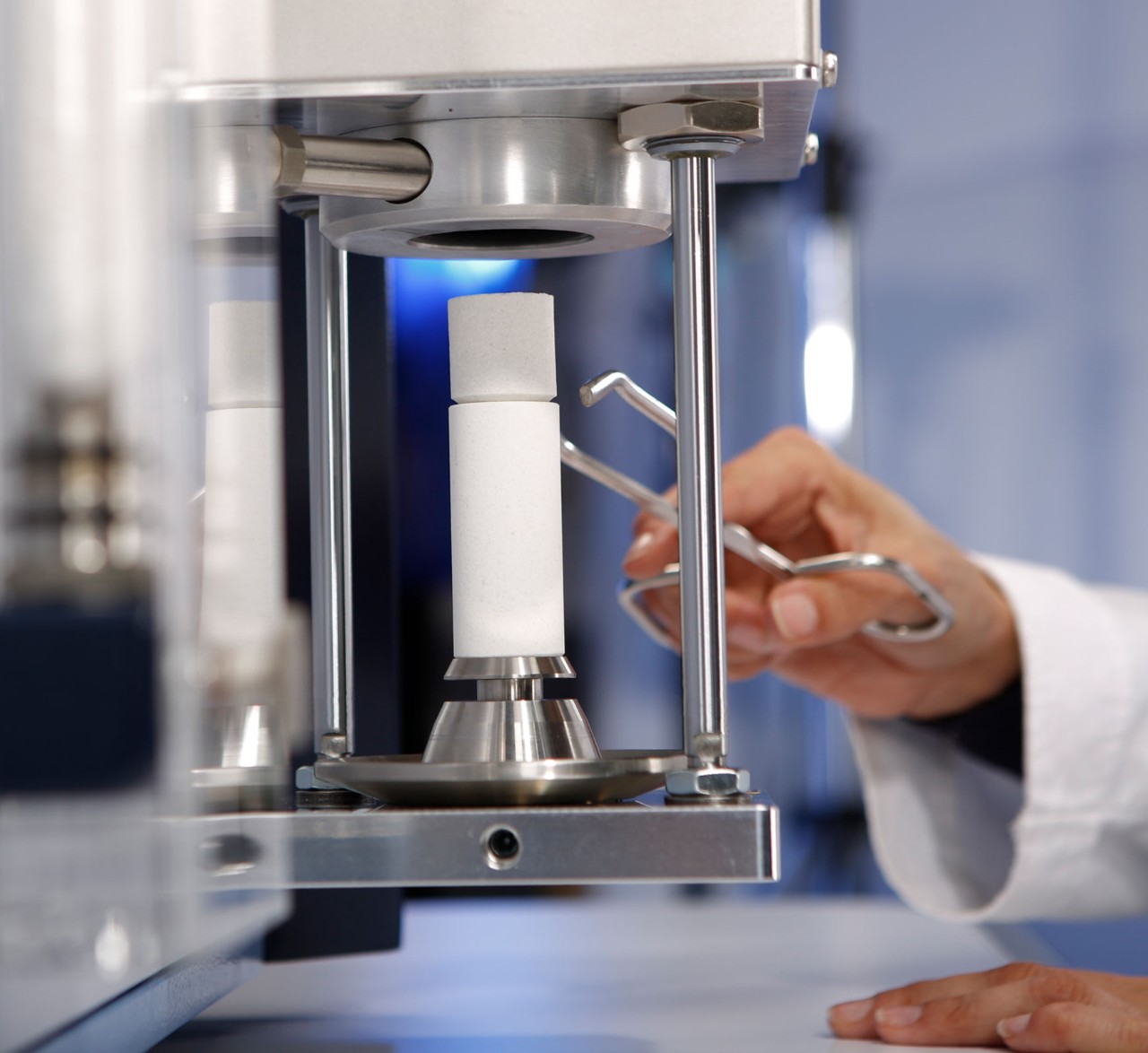
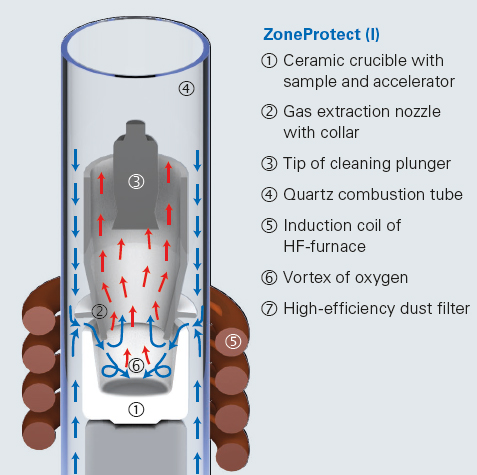
ZoneProtect™: The patented combustion zone design utilizes a gas extraction nozzle, ensuring an optimal supply of oxygen to the sample, while liberated gases and dust particles are instantly purged through the nozzle. The unique, fully automatic cleaning system with brush-free dust removal ensures simultaneous cleaning of the inline high efficiency dust filter and the gas extraction nozzle while transferring accumulated dust into the crucible for disposal.
Detection: The latest innovations in the field of high-performance light-emitting diodes (UV-LED), enabled the development of a SO₂ detector with outstanding performance: Lowest detection limits and an ultra-wide linear dynamic range are specific benefits of this technique. All XRF Scientific detectors work without any moving parts and are equipped with integrated reference beam channels to eliminate drifts and provide utmost baseline and calibration stability.
3 µm Pore size: Of the high-efficiency dust filter ensures improved stability and a clean workplace.
< 60 s Cycle time including cleaning cycle: ZoneProtect™ ensures a clean, fast & efficient combustion while any dust is disposed into the crucible by the integrated automatic cleaning system.
10 times better signal to noise ratio: As UV-absorption is much more efficient than IR absorption, advanced SO₂ detection delivers 10 times better S/N ratio, 5 decades of linear dynamic range with upmost stability not affected by temperature variations.

Why do I need combustion analysis?
When time to result matters, while accuracy must be granted in the first shot, with minimum sample preparation, combustion analysis is irreplaceable for the analysis of light elements. These are difficult or impossible to measure by direct spectroscopic methods, especially when embedded in difficult matrices. E.g. the G4 ICARUS Series 2 delivers accurate results even in grey cast iron, where carbon is unevenly distributed in form of graphite clusters, because it applies a volumetric method – analyzing the entire sample.
Iron, Steel, Cobalt and Nickel
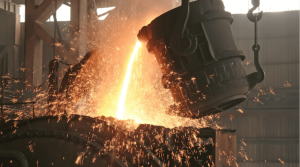
Carbon is the primary interstitial alloying element in these materials and greatly influences their properties. Sulfur is either considered a contaminant or desired additive. During the metal production and alloying a high precision on carbon and sulfur analysis is vital for an optimal production process. The G4 ICARUS Series 2 is prepared to meet and exceed demanding process control requirements on the final metal as well as on ingredients like ferroalloys and raw materials up to slags formed.
Metal Processing
From stainless steel, aluminum, copper, nickel, titanium to zirconium and further special metal compositions, the G4 ICARUS Series 2 delivers its outstanding analytical performance and versatility with advanced technology to every demanding metal processing task in aviation, space, automotive, biomedical, electronic and similar industries.
Cast Iron
Carbon is the main alloying element in cast iron with typical levels greater 2%. Even in difficult matrices like grey cast iron, where carbon is unevenly distributed in form of graphite flakes, the G4 ICARUS Series 2 delivers accurate results because it applies a volumetric method, analyzing the entire sample. Mold powder and fluxes are also analyzed by the G4 ICARUS Series 2.
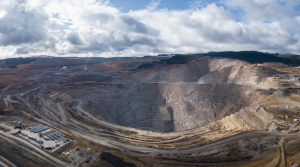
Ores & Minerals
The value of minerals and metal-bearing ores is determined by its target metal content. The sulfur level of the ore concentrate provides an estimation of the metal-in-concentrate and is used as a quality control measure, determining the efficiency of the concentration process. The knowledge of the exact carbon and sulfur levels allows the optimization of the mine operation and mineral beneficiation. The ultra-wide range of its advanced detectors makes the G4 ICARUS Series 2 the ideal addition to every mining laboratory.
Case Hardening
Case hardening requires the control of the carbon potential during the carburization process. Direct furnace atmosphere analysis is used to determine the carbon potential by the ‘shim stock’ method, which utilizes heat treatment test foils that are placed inside the furnace. With its ease-of-use and long term stability the G4 ICARUS is the perfect match for every parts manufacturer running a heat treatment/hardening shop.
Cement
Cement is a hydraulic binder and the main ingredient in basic building materials, such as concrete and mortar. Quality- and Process-Control require the fast and accurate analysis of the elemental and phase composition. The G4 provides an easy and fast method to control the compositions in cements.
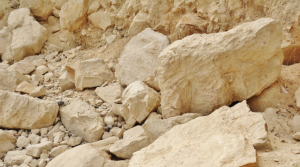
Limestone, Lime and Dolomite
Limestone and Dolomite are sedimentary rocks with a tremendous variety of applications. Limestone is used as construction raw material, aggregate, fluxing agent, acid neutralizing agent. Dolomite is harder than limestone, making it a superior construction material. The G4 combines the ease-of-use and robustness to deliver fast and accurate carbon and sulfur results for the Quality- and Process-Control in these raw materials.
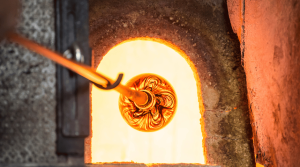
Glass & Ceramics
From industry refractory materials to high performance ceramics in electronics or in metal cutting, refractory oxides, nitrides and carbides have a wide usage. The unique properties of glass and ceramics are influenced in various ways by the level of carbon and sulfur present in the process or in the final product. The powerful HF-furnace with ZoneProtect and its wide detection range makes the G4 ICARUS Series 2 an excellent tool for the fast analysis of raw materials, intermediates and final products.
| Specification | Benefit | |
|---|---|---|
| Sample Types | Inorganic, dry, any form or shape | Flexibility |
| Typical Samples | Ferrous and nonferrous metals and their alloys, ores, cement, limestone, glass, ceramics, soils | Wide variety of sample materials |
| Sample carrier | Ceramic crucibles (standard form) | Usage of industry standard consumables, lower cost, security of supply |
| Sample weight | 0.1 – 1 g (typical 0.5 g) | |
| Furnace | High frequency induction furnace, power adjustable with ZoneProtect™ | More efficient, faster combustion with maximum productivity |
| Detectors – Carbon | Dual-range NDIR detector with reference beam path | Reliable, maintenace-free performance without drift |
| Detectors – Sulfur | Advanced detector with reference beam path | Unique wide range performance with unrivaled signal/noise without drift |
| Carrier Gas | Oxygen 99.95% purity (99.995% required for trace carbon) 3.5 bar (50 psi) min. pressure | Standard gas purity sufficient |
| Compressed air | 5 bar (72.5 psi) min. pressure, oil-, water- and particle-free | |
| Analysis Time | 40 s (nominal) | Fast, simultaneous analysis |
| Complete Cycle Time | < 1 min (typical) | High productivity and throughput with waste disposal into crucible |
| Noise Emission | < 50 db | Enjoy the silence |
| Calibration | Single and multipoint calibration with solid standards | |
| Reagents | Magnesium perchlorate Sodium hydroxide on support Platinized silica | |
| Power Supply | 230 VAC (± 10 %); L1 N; 50-60 Hz; 16 A; 2.7 kVA 208 VAC (± 10 %); L1 L2; 50-60 Hz; 16 A; 2.7 kVA | Industry standard power and current configurations |
Ongoing Global Support
- Helpdesk for technical issues with hardware, software, and applications support using web based and advanced remote service tools
- Maintenance Service Agreements
- On-site, on-demand support
- Installation and operational qualification as well as performance verification
- Site planning, relocation, and consultation
- Replacement and spare parts, consumables, and in-person and online training
- Software updates and manuals