


Search Results for ‘’

Request a Quote
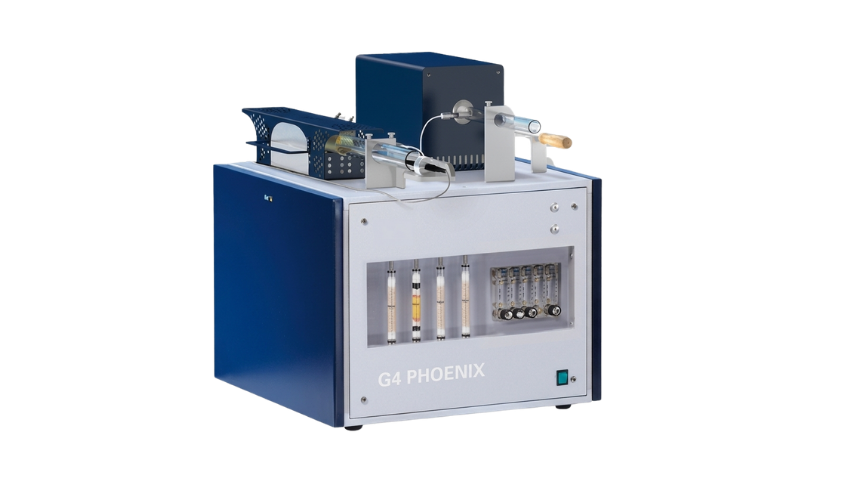
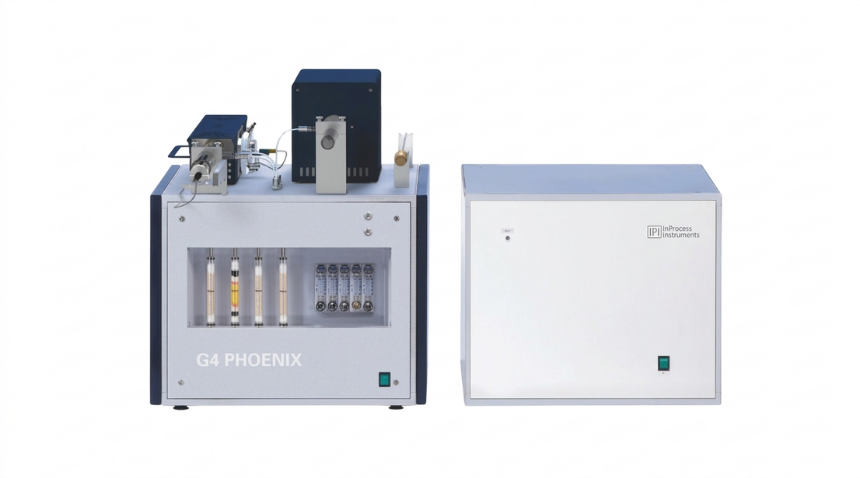
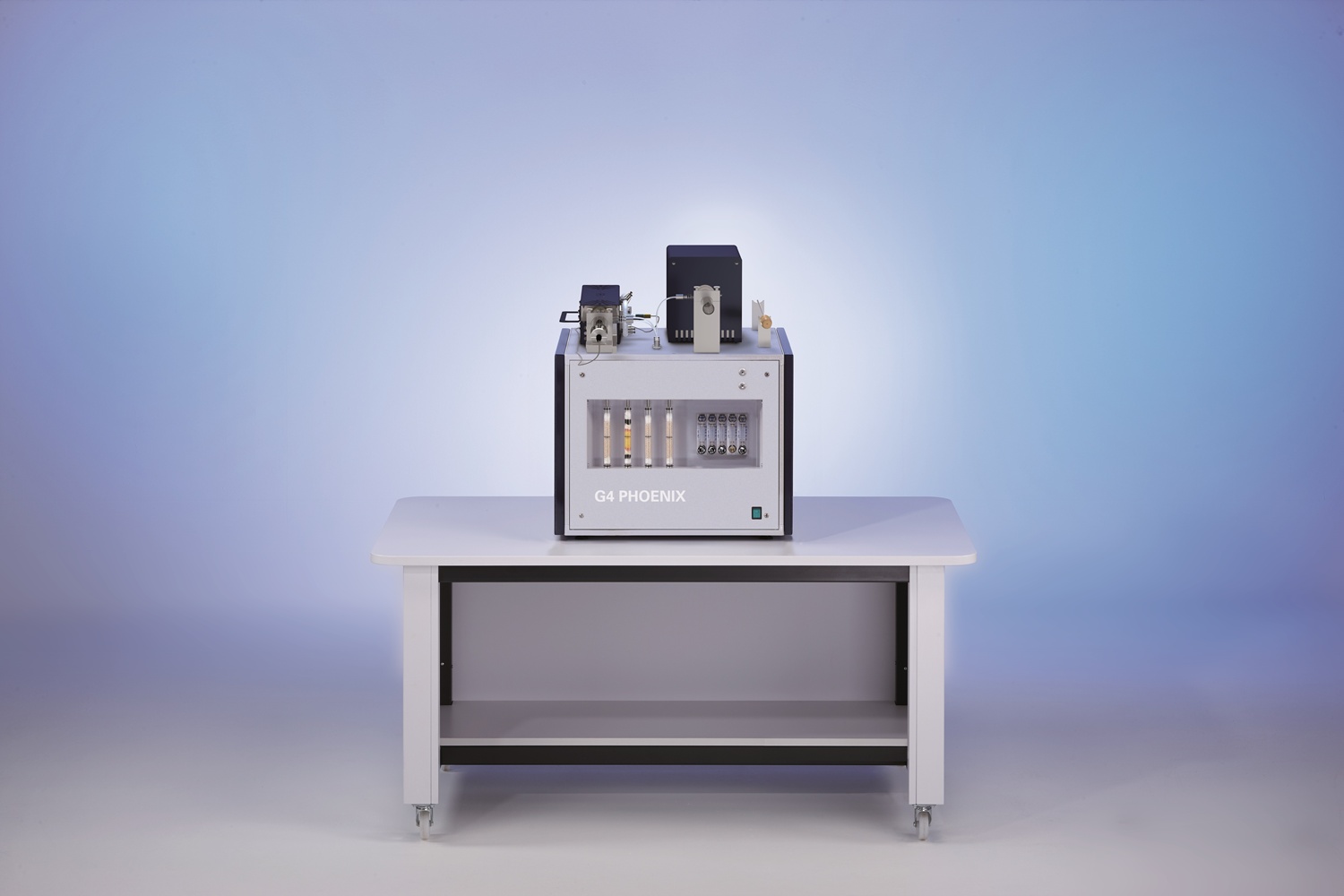



Accurate and fast diffusible Hydrogen measurements
Thermal Desorption Mass Spectrometry (TDMS)
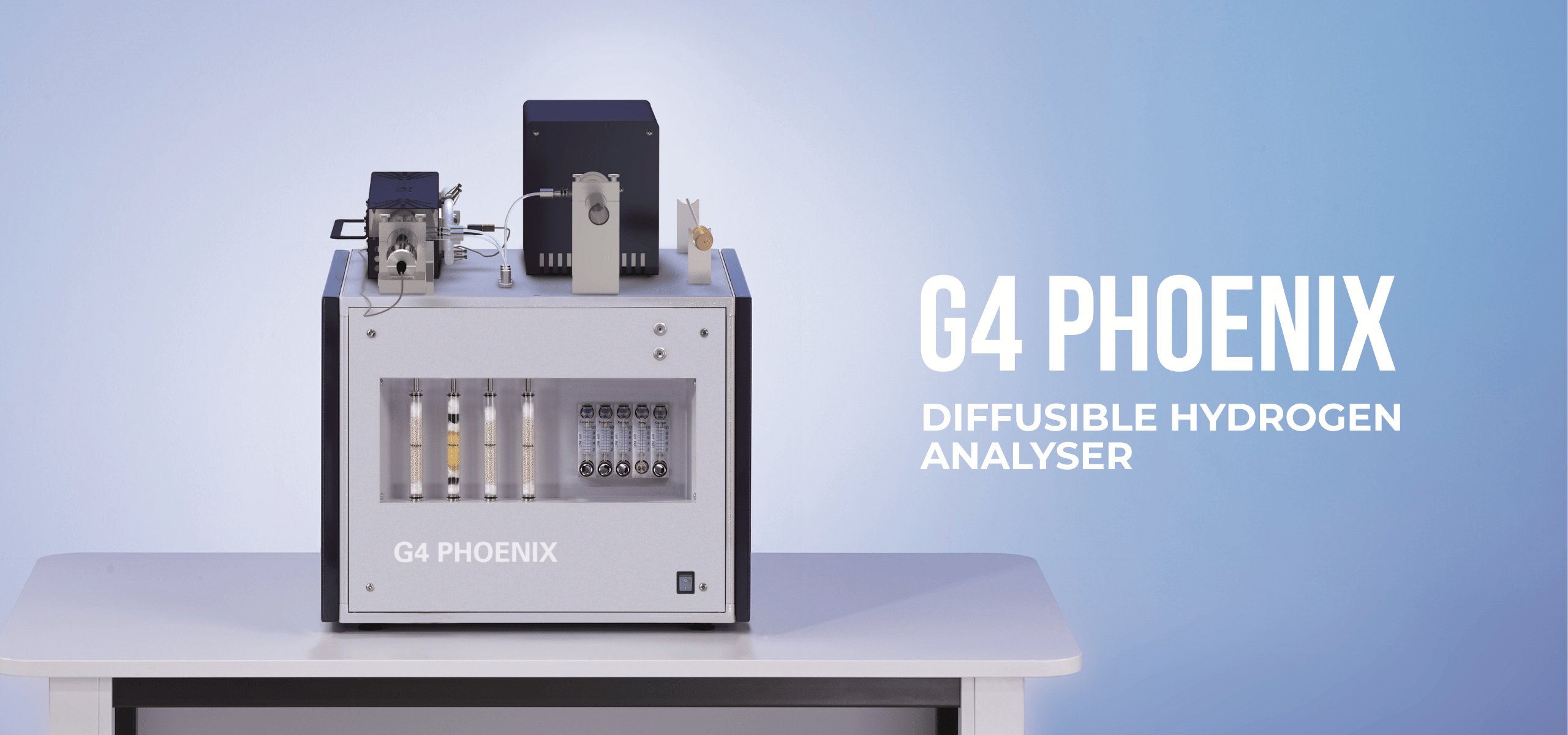
The G4 PHOENIX DH, utilizing carrier gas warm extraction for a rapid and automatic determination of diffusible hydrogen in a wide variety of matrices. Accurate and rapid diffusible hydrogen measurements allow you to avoid embrittlement, hydrogen-induced cracking and other costly failures.
Hydrogen-induced damage is a wide-spread, dreaded phenomenon. During welding, hydrogen is generated from the dissociation of water vapor (e.g. humidity) or hydrocarbons in the welding arc, and the molten metal can rapidly pick up hydrogen. Once in the metal, hydrogen atoms can diffuse swiftly inside the microstructure of the metal. Diffusible hydrogen causes hydrogen induced cracking (also known as cold or delayed cracking), where components fail under the influence of mechanical stress – suddenly and without prior indication. Thus, diffusible hydrogen is critical to assess because of embrittlement, hydrogen induced or assisted cracking (HIC/HAC) or hydrogen delayed fracture among other damaging effects.
Since April 2026 XRF Scientific is now the manufacturer of the G4 PHOENIX
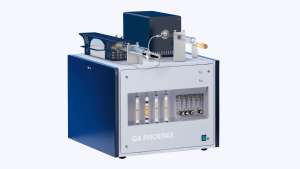
10 Volumes of the automated gas dosing calibration system
Ensure linearity and traceability of your calibration over a wide dynamic range.

30 mm Diameter of the furnace tube
Suitable to accept large samples like sheet metal or welding specimen according to AWS A4.3
ppb (ng/g) Limit of Detection for Hydrogen
The highly sensitive thermal conductivity detector allows analysis down to a sub-ppm range, while the optional mass spectrometer allows detection limits in the low ng/g range
- High-end, long term stable thermal conductivity detector (TCD) with dedicated reference gas channel, heat exchanger and ng/g analysis capabilities
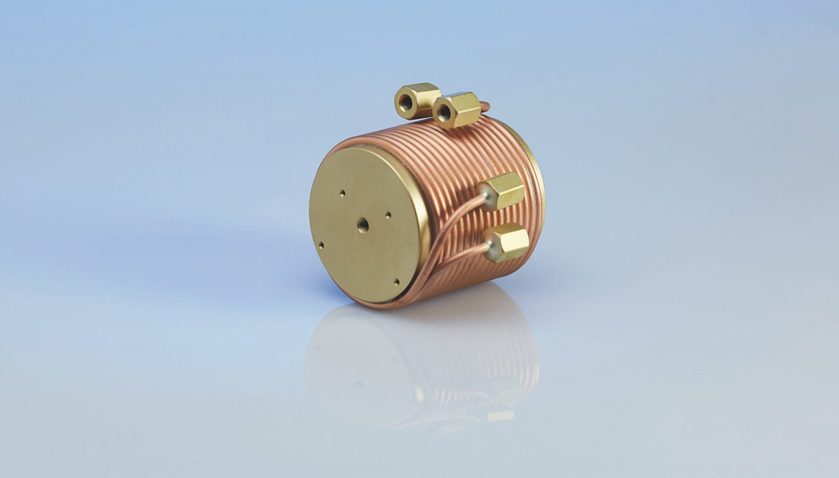
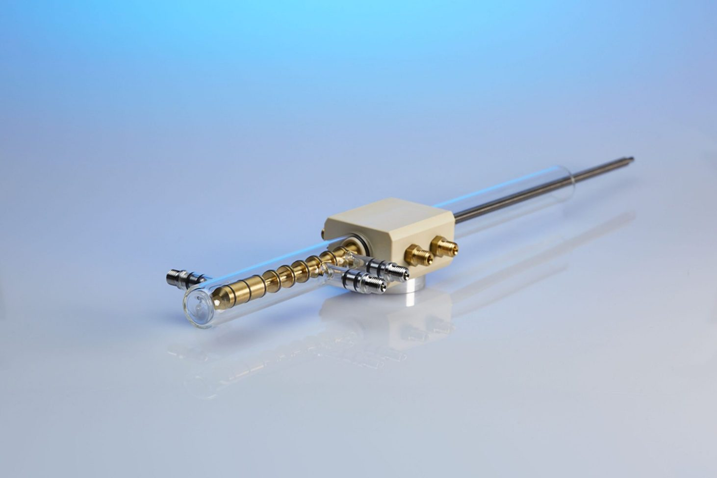
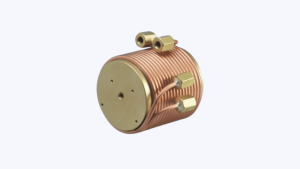
- Unique infrared (IR) furnace with low thermal mass for accurate temperature control, programmable rapid heating (and cooling) up to 900°C accepting large samples
- Optional thermocouple kit for direct sample temperature readings
- Additional resistance heated furnace for higher temperatures up to 1100 °C as option
- Automatic and reliable gas calibration with hydrogen or helium over the entire measurement range by the integrated gas dosing unit with 10 different volumes
- Optional interface to external sampling canisters to cover the GC method of ISO 3690
- G4 PHOENIX MS with quadrupole mass spectrometer improves the detection limit by more than one order of magnitude, enabling evaluation of ultra-low diffusible hydrogen concentrations or isotopes and studies of different hydrogen traps in steel

Why do I need diffusible hydrogen analysis?
Hydrogen induced cracking and embrittlement is a dangerous phenomenon. Although high-strength steels and oxygenated copper grades are particular susceptible to hydrogen embrittlement, an uptake of diffusible hydrogen affects many more metals but depends to a large extent on the environmental and process conditions, like ambient moisture. There is a risk of introducing hydrogen in every mechanical, thermal and galvanic manufacturing step, especially during welding and soldering.
The rapid method applied by the G4 PHEONIX can deliver results in less than 30 min, whereas traditional methods require multiple days. Thus, it is the only method allowing a feasible pre-welding testing for diffusible hydrogen. This allows users to optimize their process to avoid costly failures, before they are done.
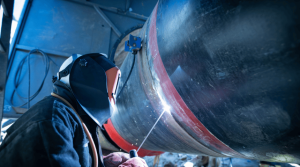
Welding & allied Processes

High-Strength Steels

| Specification | Benefit | |
|---|---|---|
| Detector – G4 PHOENIX | Thermal conductivity detector with reference channel and adjustable gain amplifier | Reliable, adjustable ranges, drift free |
| Detector – G4 PHOENIX MS | Mass spectrometer, m/z range 1-100 amu, single quadrupole, optimized EI source and channeltron detector | Unique mass spectrometry performance |
| Furnaces | IR furnace up to 900 ºC, i.d. of quartz tube 30 mm, water cooled, optinal thermocouple kit for direct sample temperature readings | Precise temperature control, flexible heating programms, accepts large samples |
| Resistance Heated (option) | Additional resistance heated furnace up to 1100 ºC, i.d. of quartz tube 18 mm | Residual hydrogen in multi-phase duplex steels |
| Carrier Gas | Nitrogen 99.995% purity, min. 2 bar (~50 psi), 99.9990% purity for trace analysis | Pre-cleaning using regenerateable molecular sieve |
| Calibration Gas | With pure gases (H2 or He) or certified mixtures (each component 99.999% purity), automatic gas dose calibration system with 10 individual volumes | Easy, precise gas calibration without standards, traceable to p, T, V |
| Cooling Water | 1 l/min @ 3 bar (44 psi) | Fast cool down, standard tap water compatible, water-saving design with water-stop valve, chiller also possible |
| Power Supply – G4 PHOENIX | 230 VAC (± 10 %), 50-60 Hz, 2200 VA | Industry standard power and current configurations |
| Power Supply – Mass Spectrometer | 230 VAC, 50-60 Hz, 250 VA | |
| Dimension & Weight – G4 PHOENIX | 630 x 700 x 670 mm (W x D x H), weight ~ 50 kg | |
| Dimension & Weight – Mass Spectrometer | 630 x 640 x 480 mm (W x D x H), weight ~ 60 kg |
Ongoing Global Support
- Helpdesk for technical issues with hardware, software, and applications support using web based and advanced remote service tools
- Maintenance Service Agreements
- On-site, on-demand support
- Installation and operational qualification as well as performance verification
- Site planning, relocation, and consultation
- Replacement and spare parts, consumables, and in-person and online training
- Software updates and manuals